
Budgeting
Starting Points
Your budget is your blueprint for keeping cash flow positive, and for sticking to your saving goals.
If you have a partner, it’s essential to have one overall household budget. That big picture is indispensable for having a good sense, based on actual numbers, of where the two of you stand financially, and how you plan to stay on track throughout the year.
Remember, a budget is there to help you, and it’s not written in stone.
Whether or not you have a partner, start your budget by listing all your anticipated monthly expenses. It can be helpful to divide them by how frequently they occur.
Fixed v. Variable
For the fixed expenses, such as rent or phone, it’s easy to fill in the exact amount you know you’ll have to spend. On the other hand, with the variable expenses, like groceries, there is no single amount you’ll spend each month. But based on what you’ve spent in the past, you should be able to estimate a fairly accurate number for most weeks.
The next step is to compare your income to your expenses. In order to achieve (and maintain) a positive cash flow, you may have to adjust some of the variable expenses — which probably means cutting back or cutting some of them out altogether.
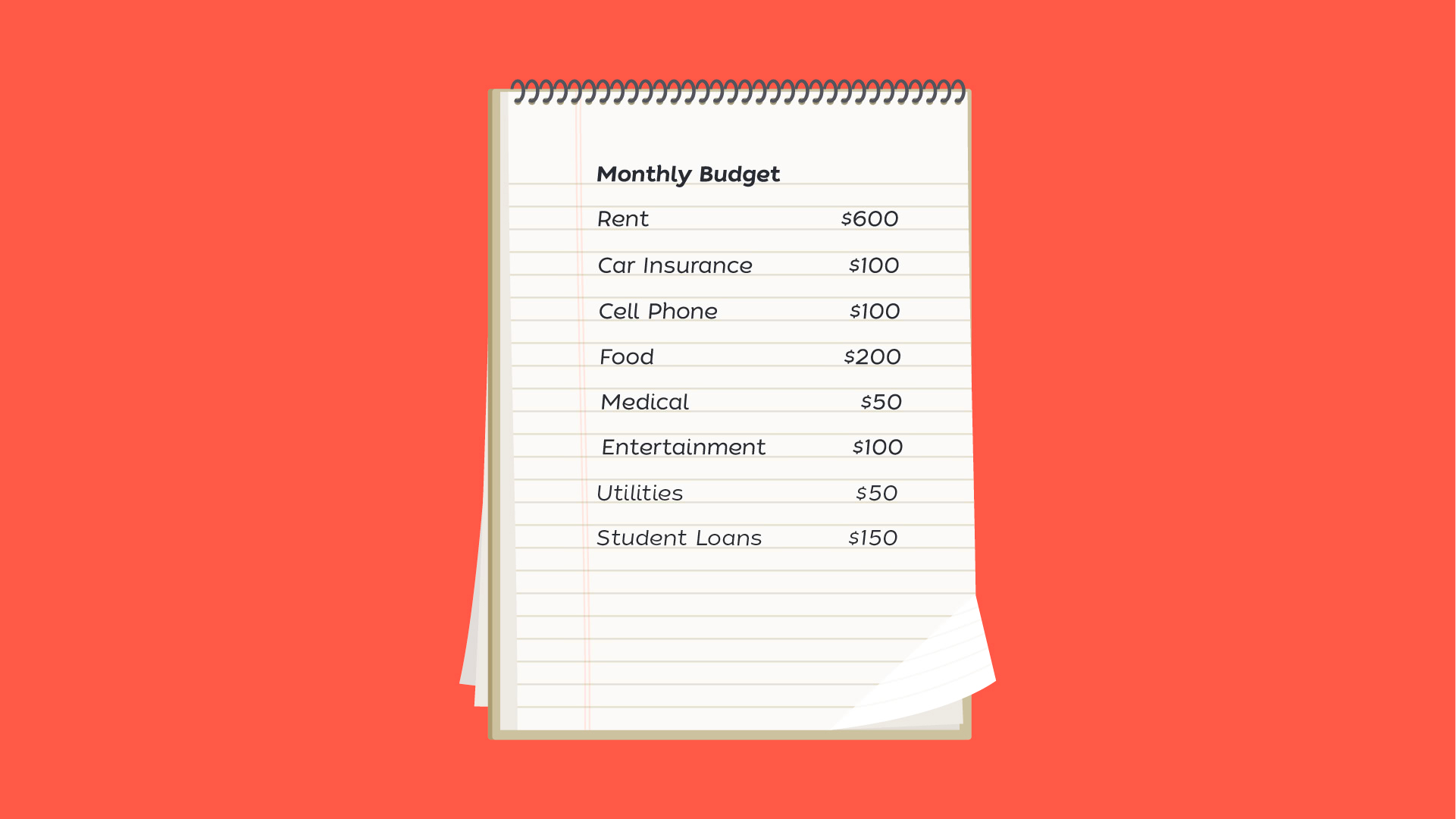
You should revisit your budget on a regular basis. Remember, it’s there to help you, and it’s not written in stone. Adjusting it if your overall household income changes is important.
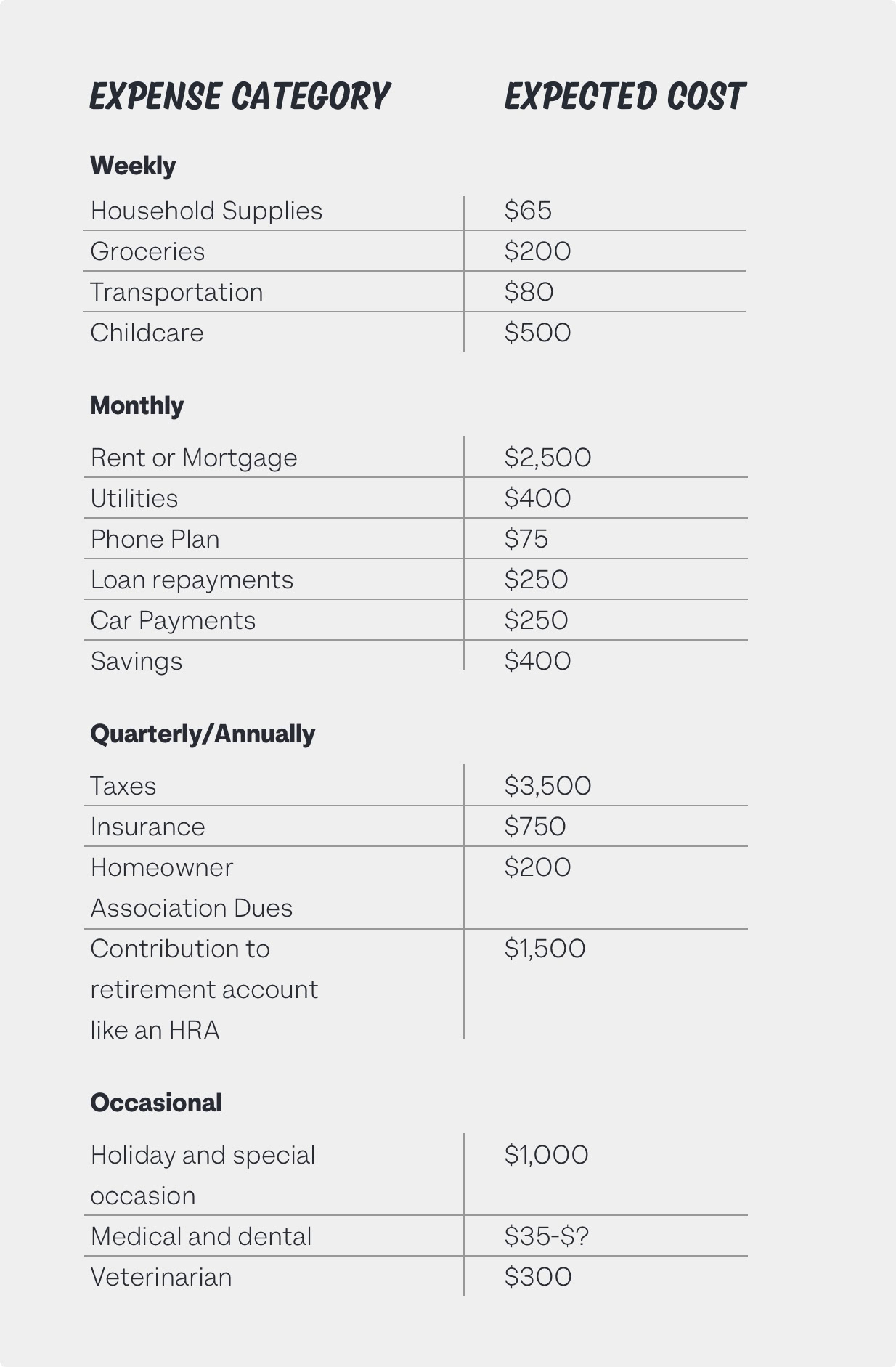
Divide your anticipated expenses based on how frequently they occur. Making a spreadsheet or using a budgeting app can help track your expenses more easily.
Spread the Wealth
If your budget changes because you get an influx of cash, maybe from a bonus or an inheritance, you may be tempted to use it to cover increased variable expenses, like eating out, travel, or the newest phone. Certainly using some of the money that way is fine. But it’s also a great opportunity to pay down debt or to increase what you’re putting away in savings — either in an emergency fund, a retirement plan, or your investment portfolio.

